The oiler has been extensively tested on six continents. I discovered various design flaws, got ideas on how to improve the system and how to go about the installation and hose routing. Below are images from some the trips where the oiler was tested.
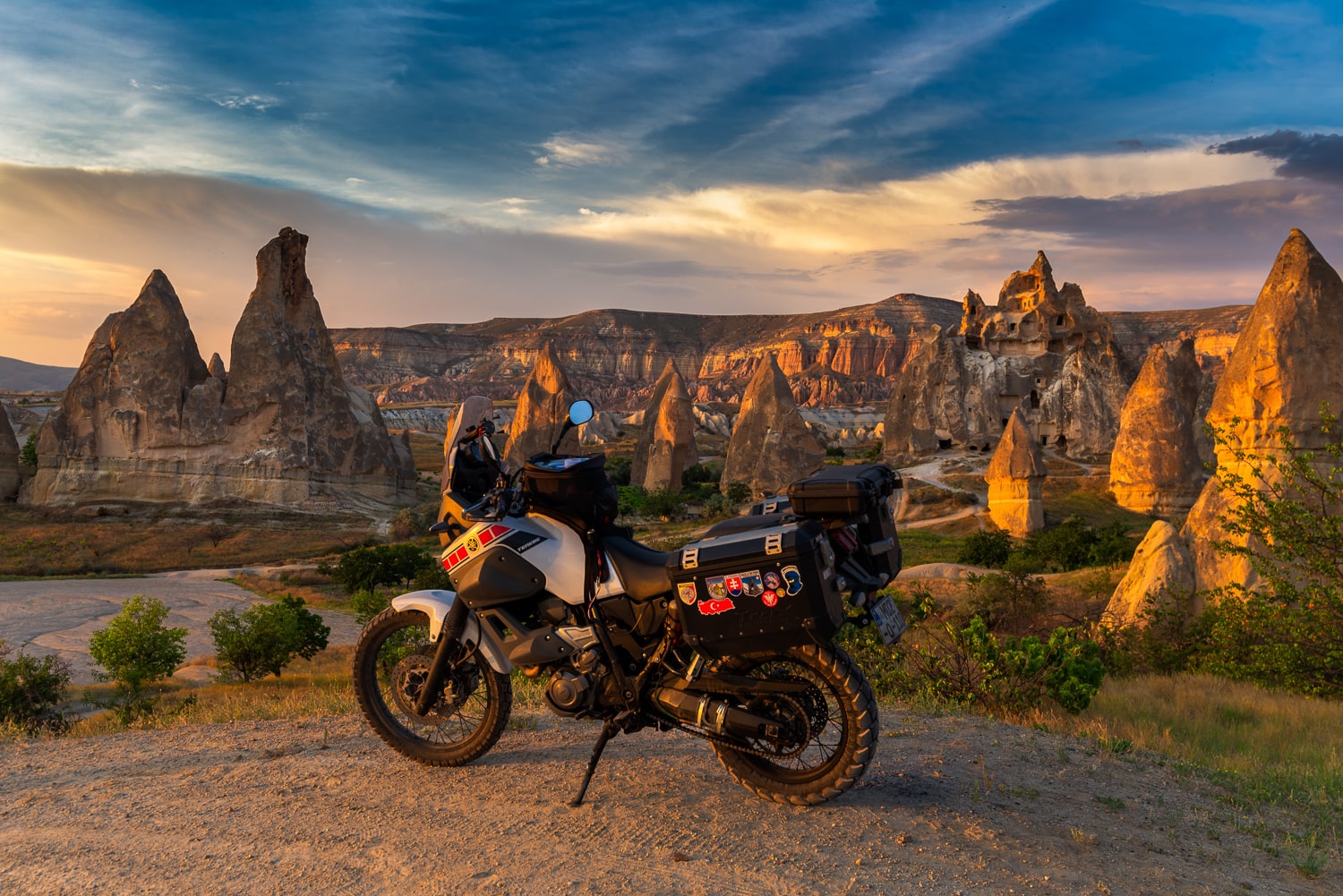
The first attempt at letting oil drip on the chain while riding. It was just a hack, but it kept chain lubed for 25,000 through Central Asia
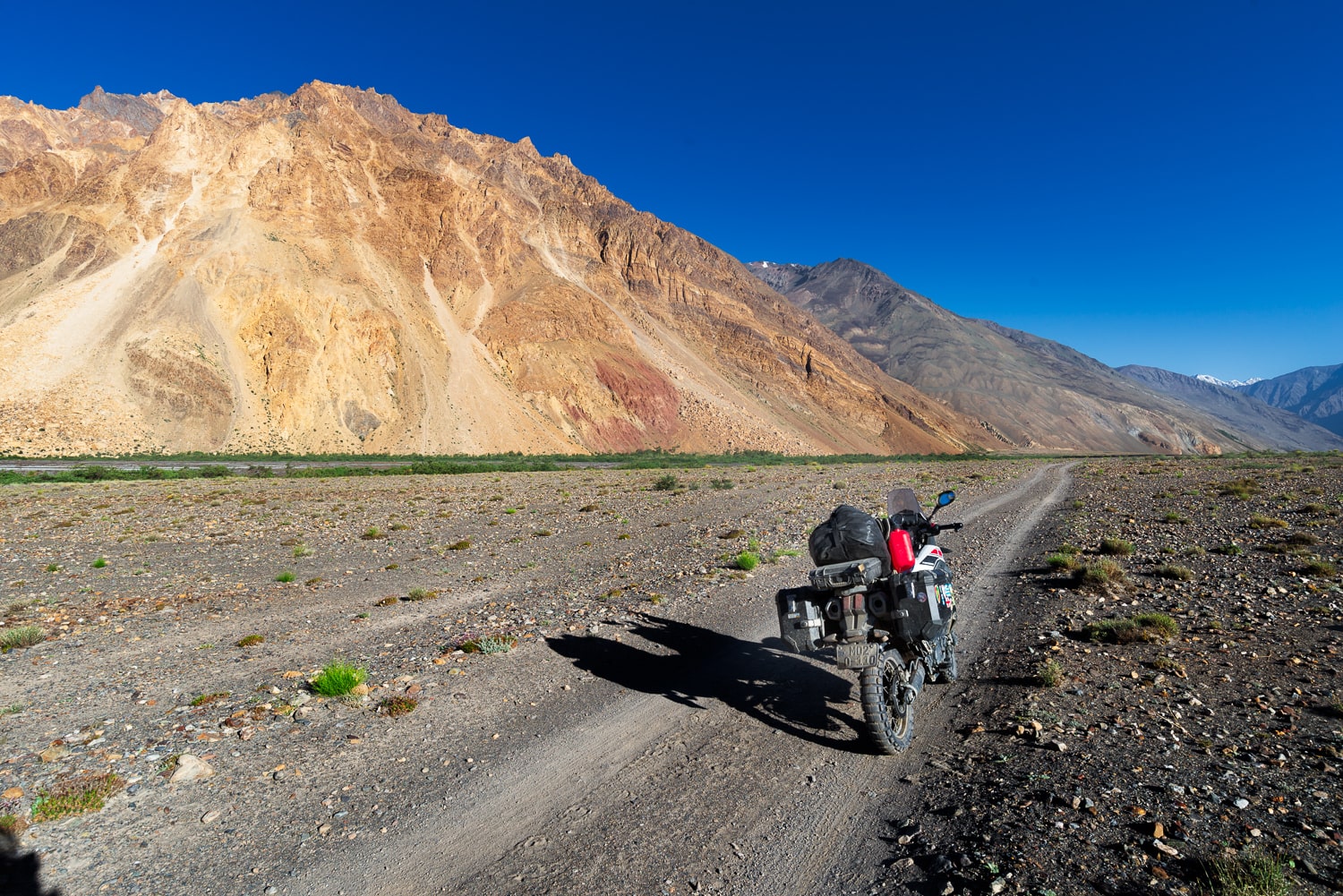
Bartang Valley was the most remote and challenging part of the Central Asia ride.
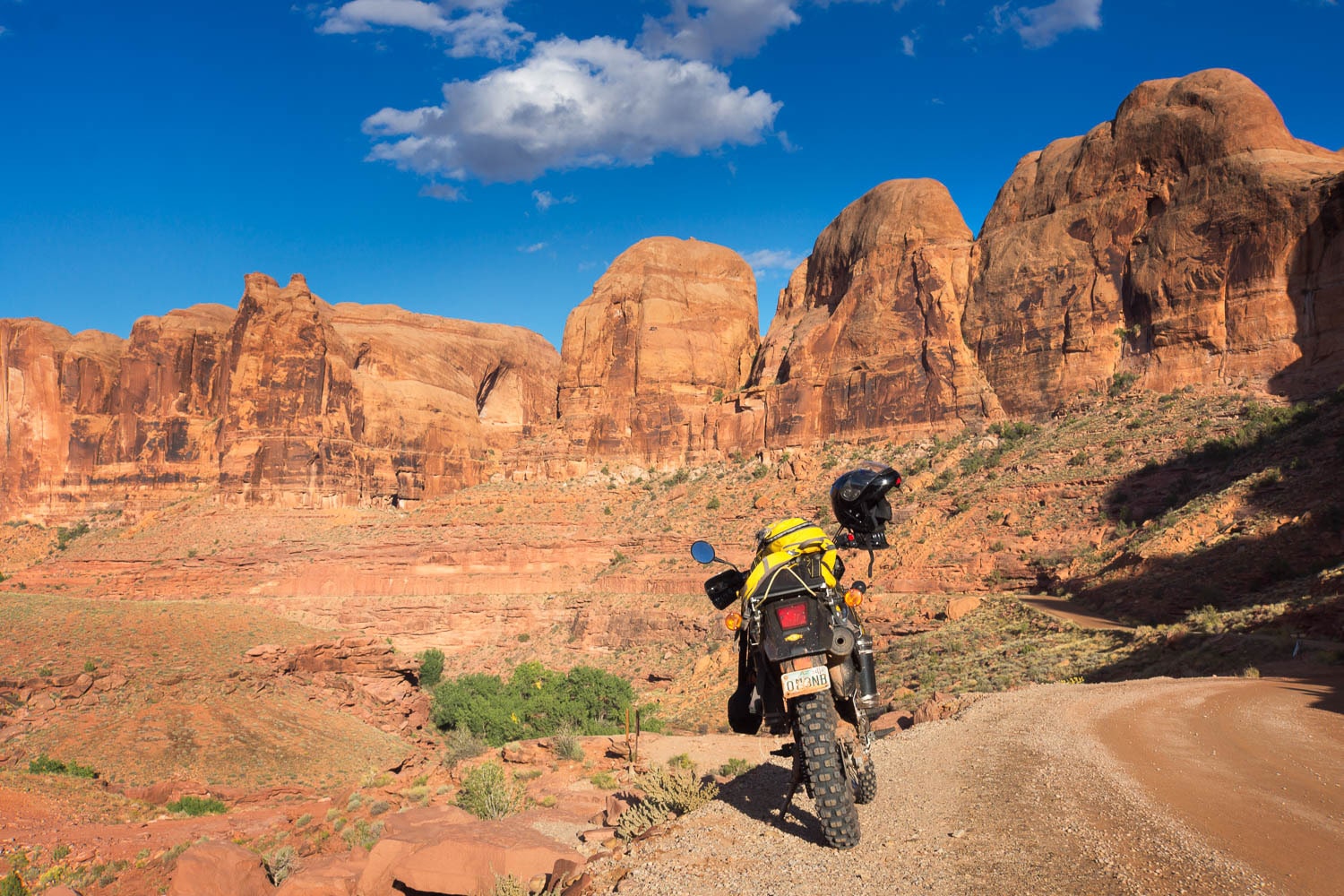
Ruggedness of the design was put to toughest tests in deserts of the US Southwest.
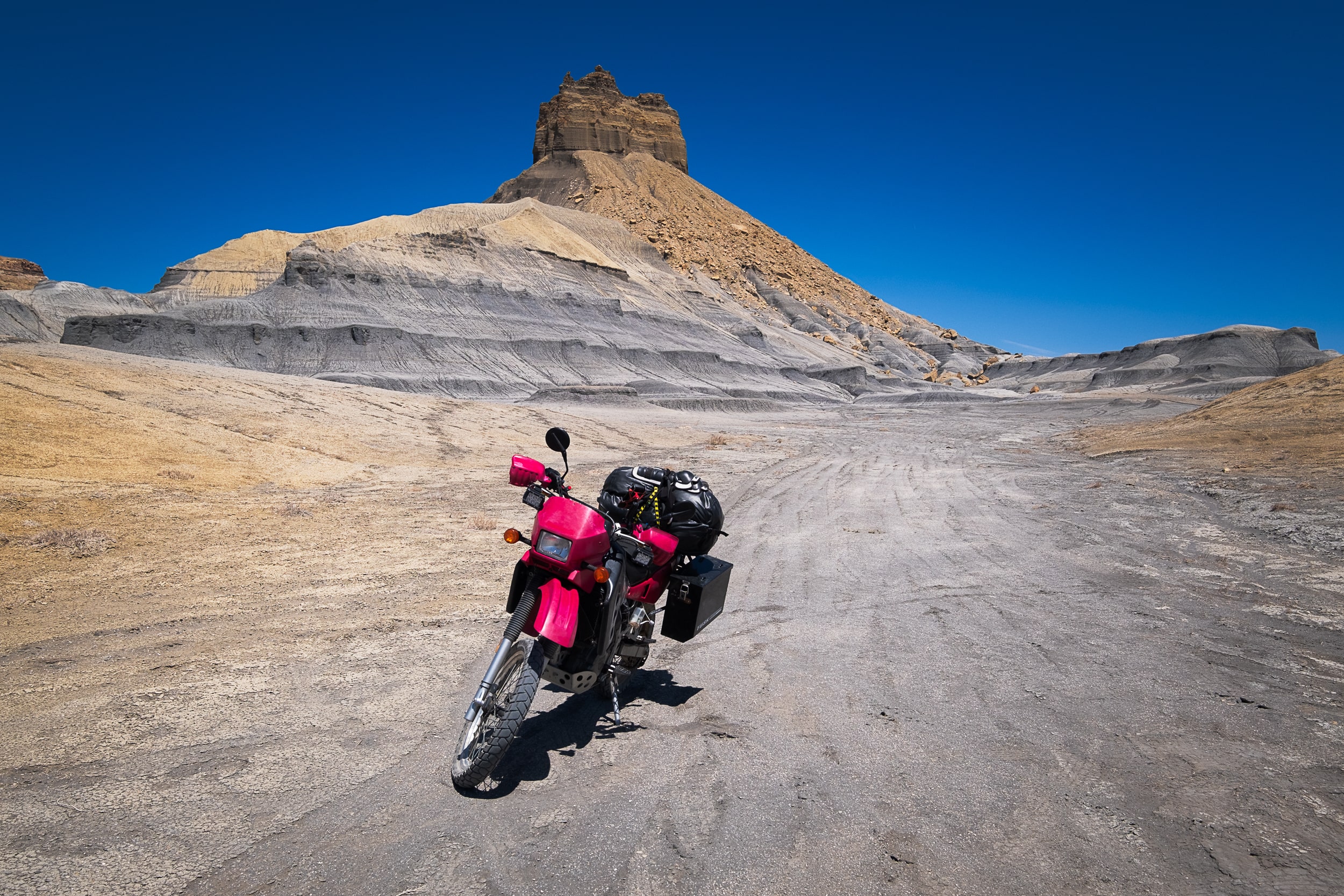
Flying rocks on this road ripped off the metal assembly holding hose next to the sprocket. Lesson learned: even metal parts should be tucked away behind the swingarm or chain guard to protect them from flying rocks.
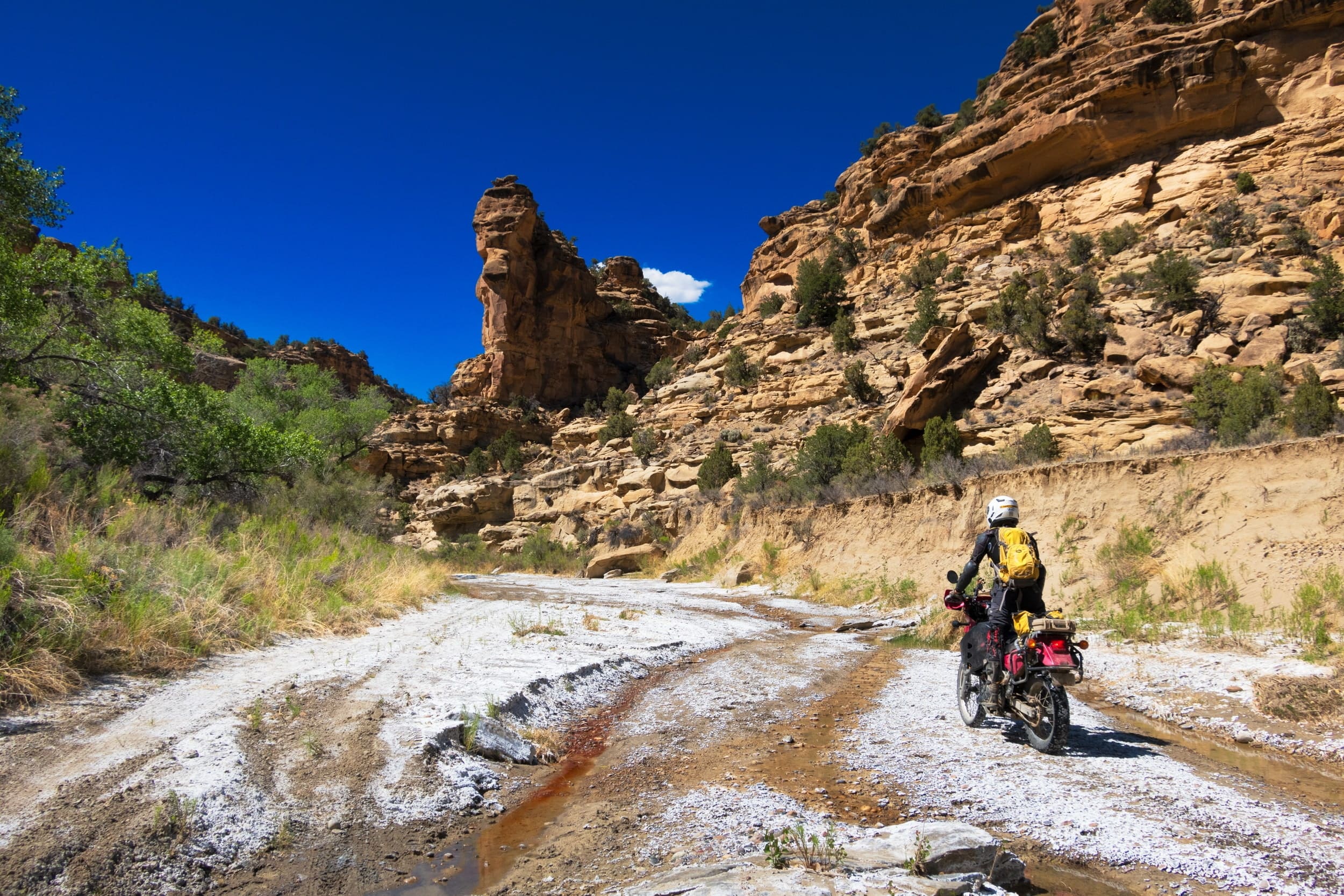
Flying stones in this wash damaged the metal arm holding delivery hose as shown on the next photo. Lesson learned: use flexible material for the arm and mount it in as protected place as possible.
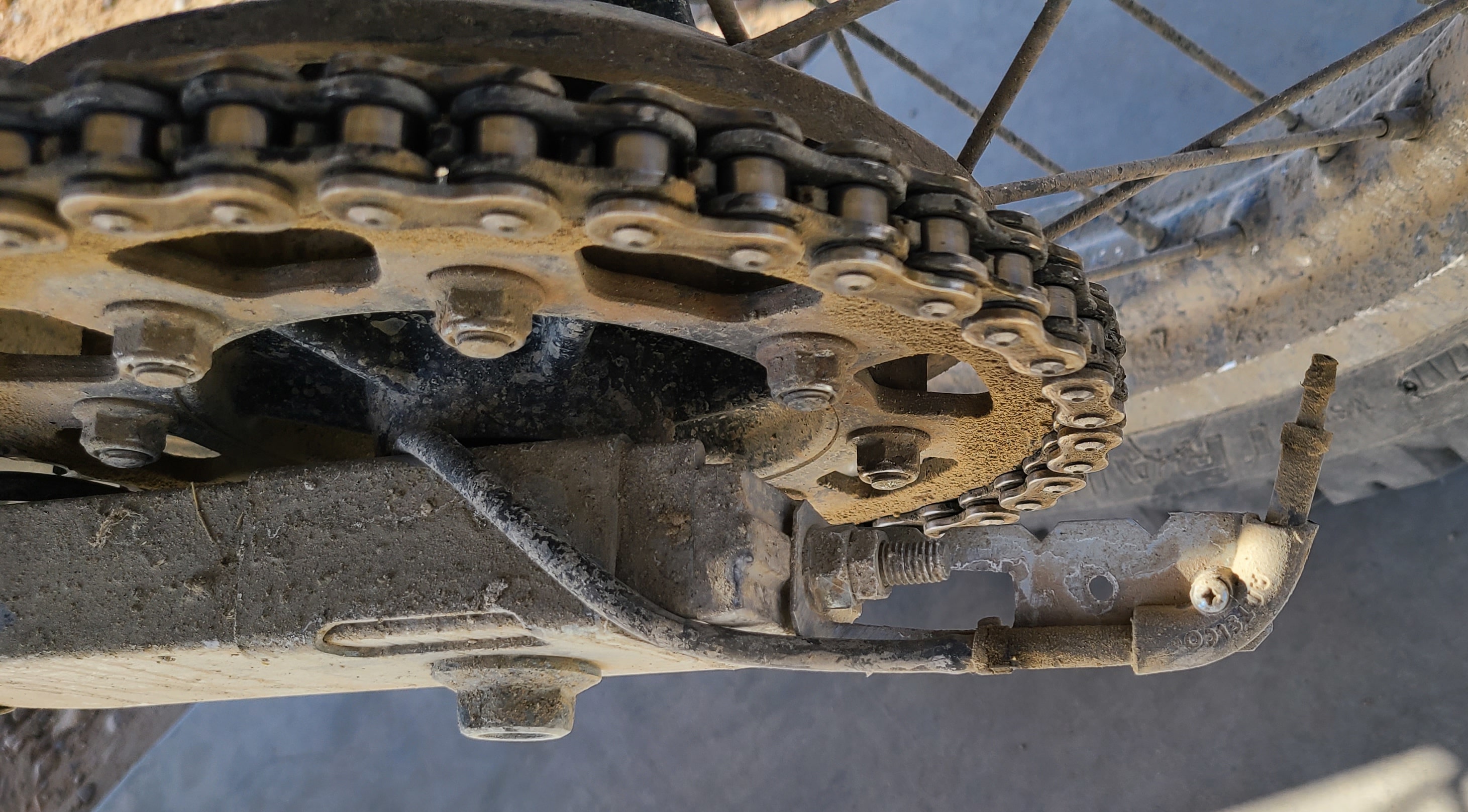
Damaged metal arm holding delivery hose in place. After this, I started using a steel wire to hold the delivery hose at 7 o'clock position at the sprocket.
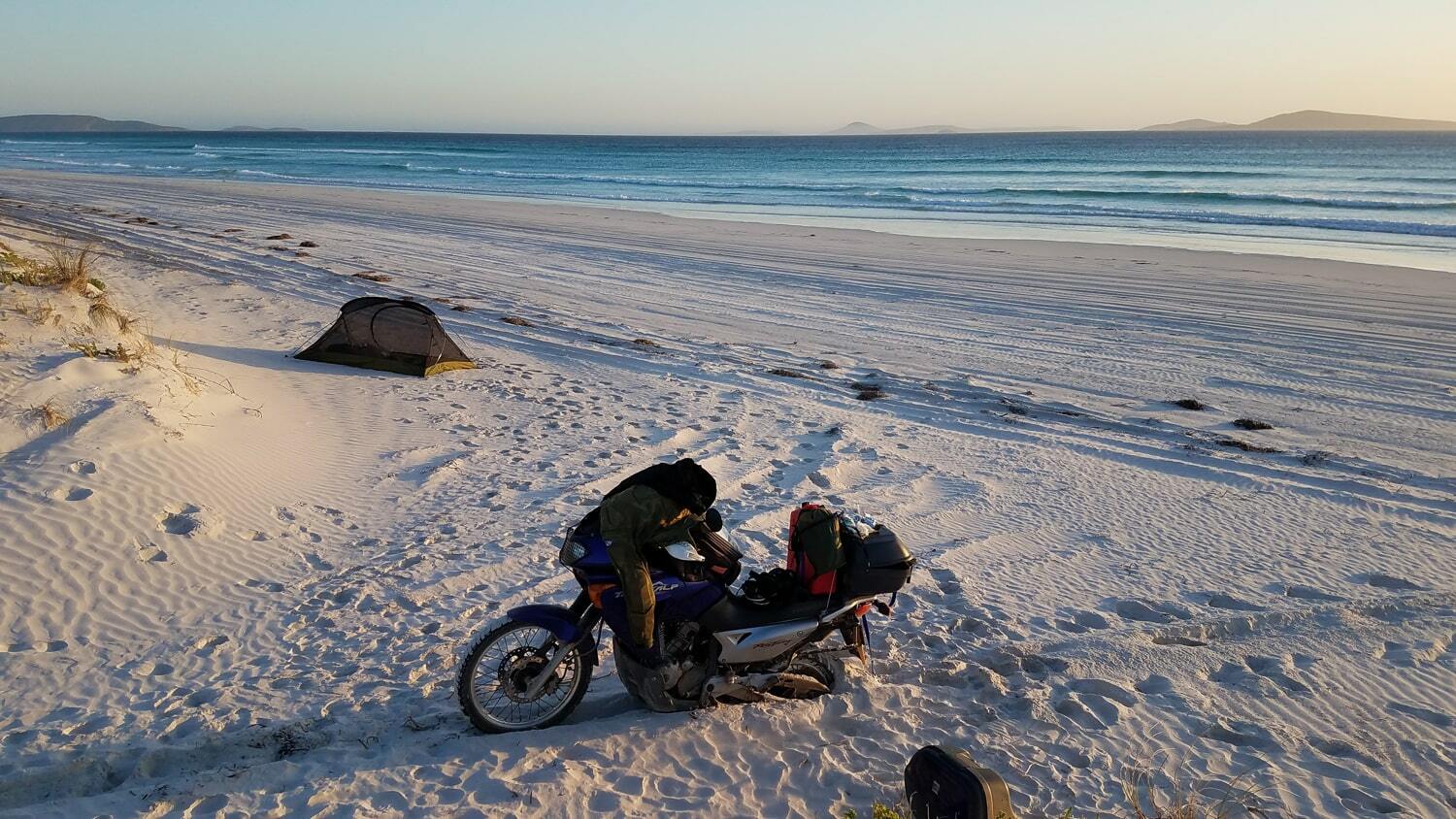
Beach riding in Esperance, Western Australia. On this trip, I was still trying to make gravity-fed oiler work. Eventually, a rock on the Great Central Road cut the dispensing hose and I had to resort to manual chain lubrication for the rest of the trip.
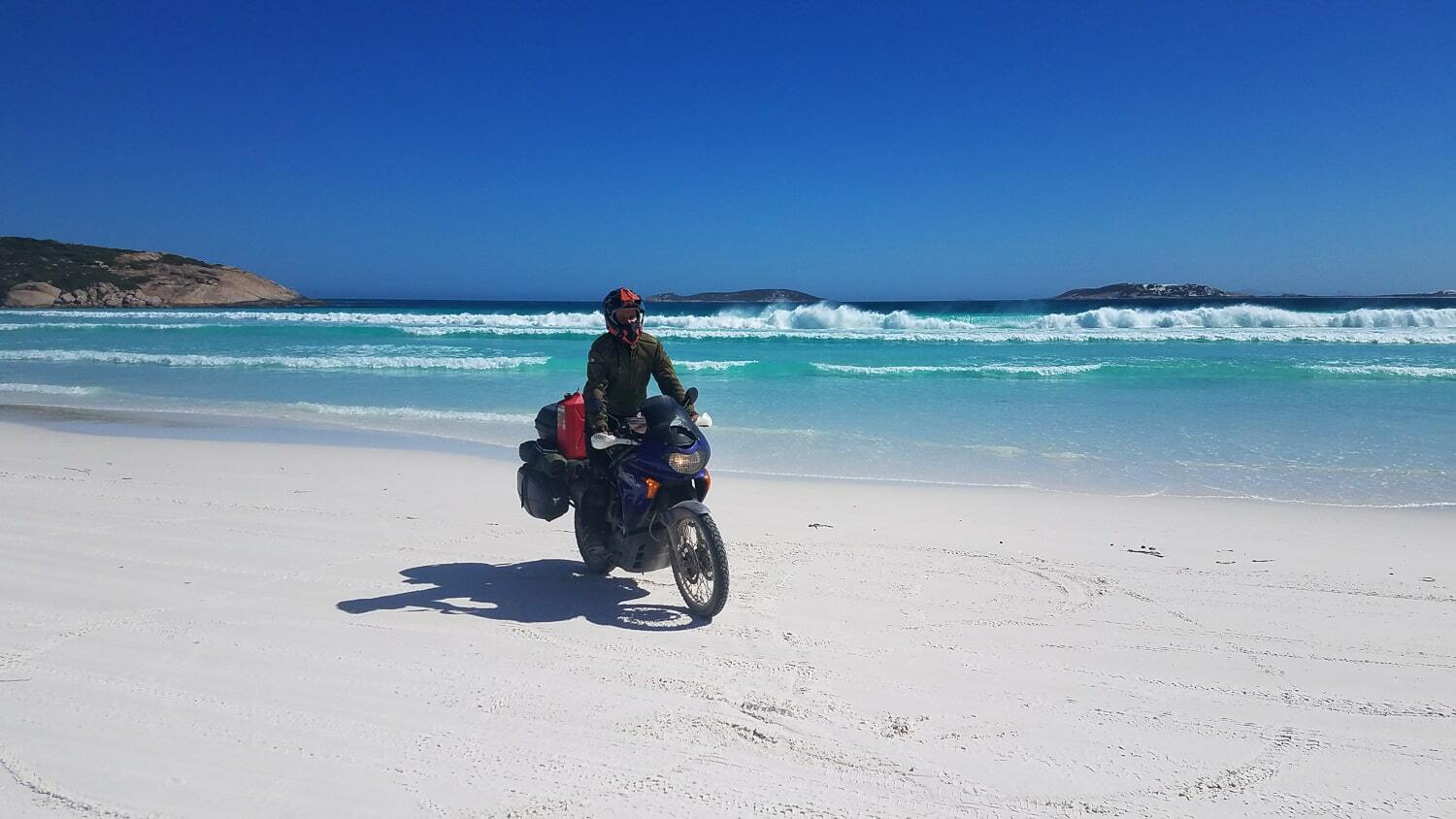
Wet sand is as hard as pavement, Esperance, Western Australia. The oiler was still working at this point.
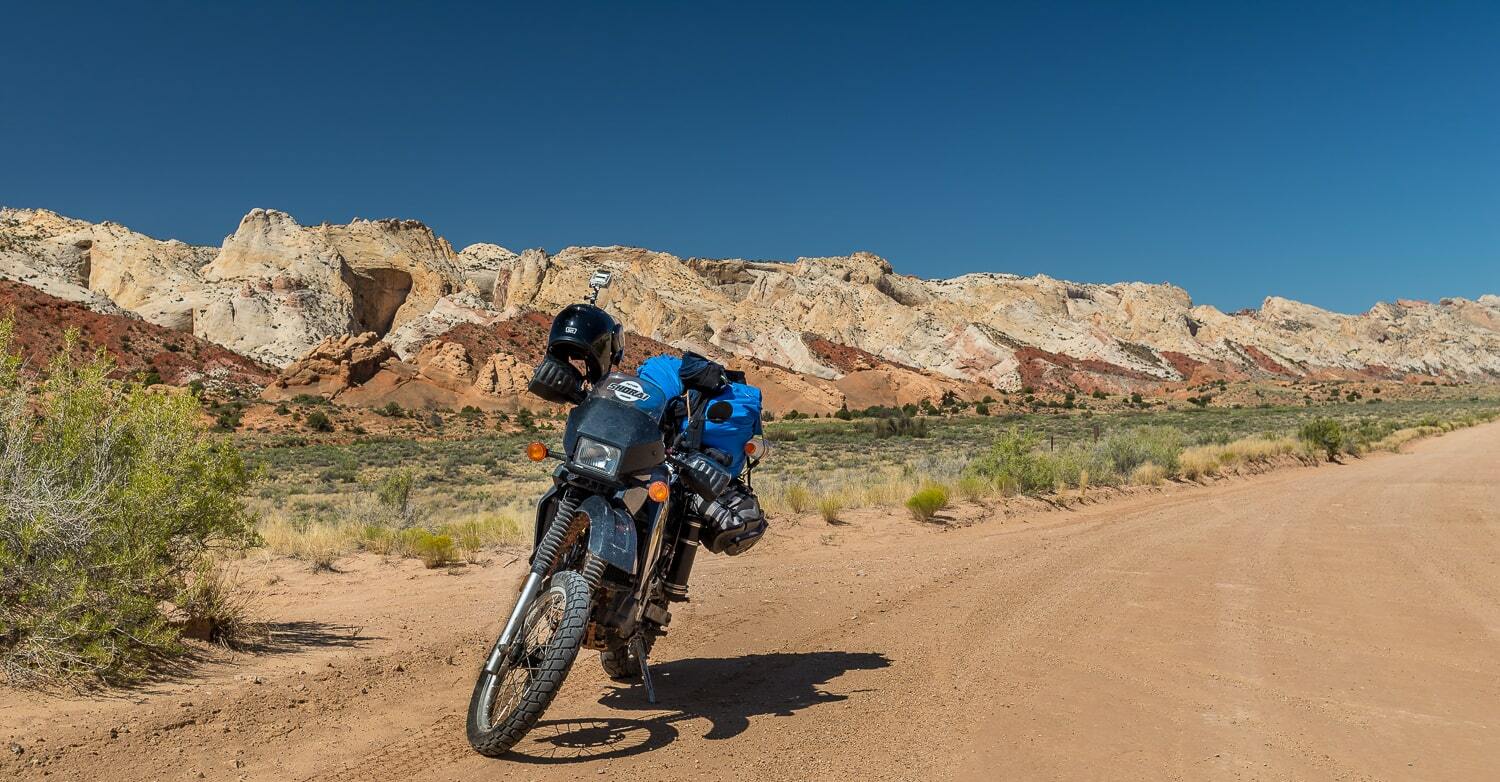
Testing one of the first electronic versions in Capitol Reef National Park.
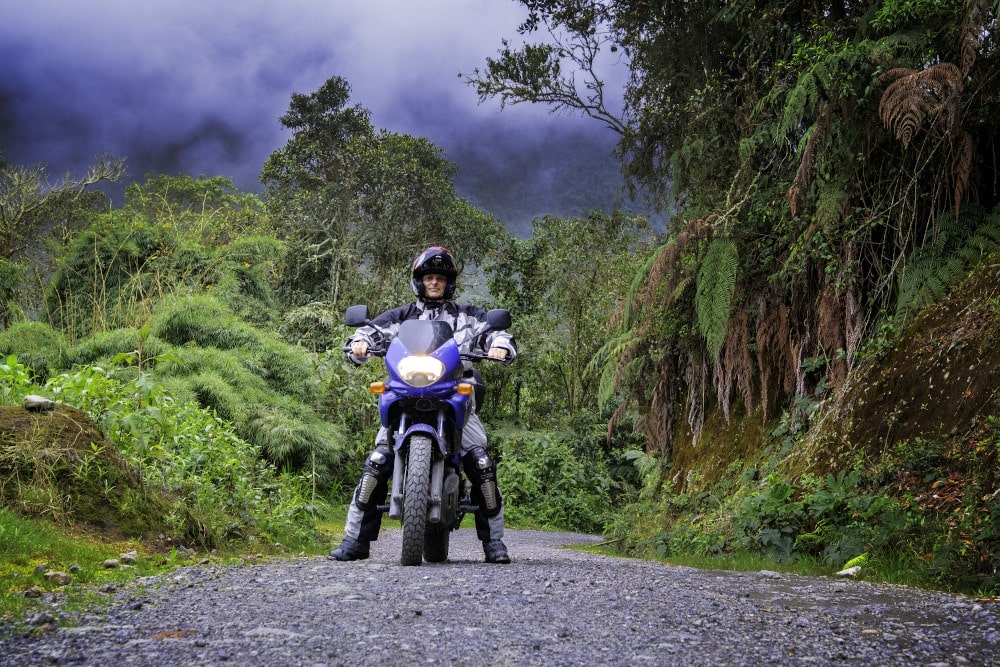
Early versions of the Bluetooth-enabled oiler were put to test in jungles of Colombia.
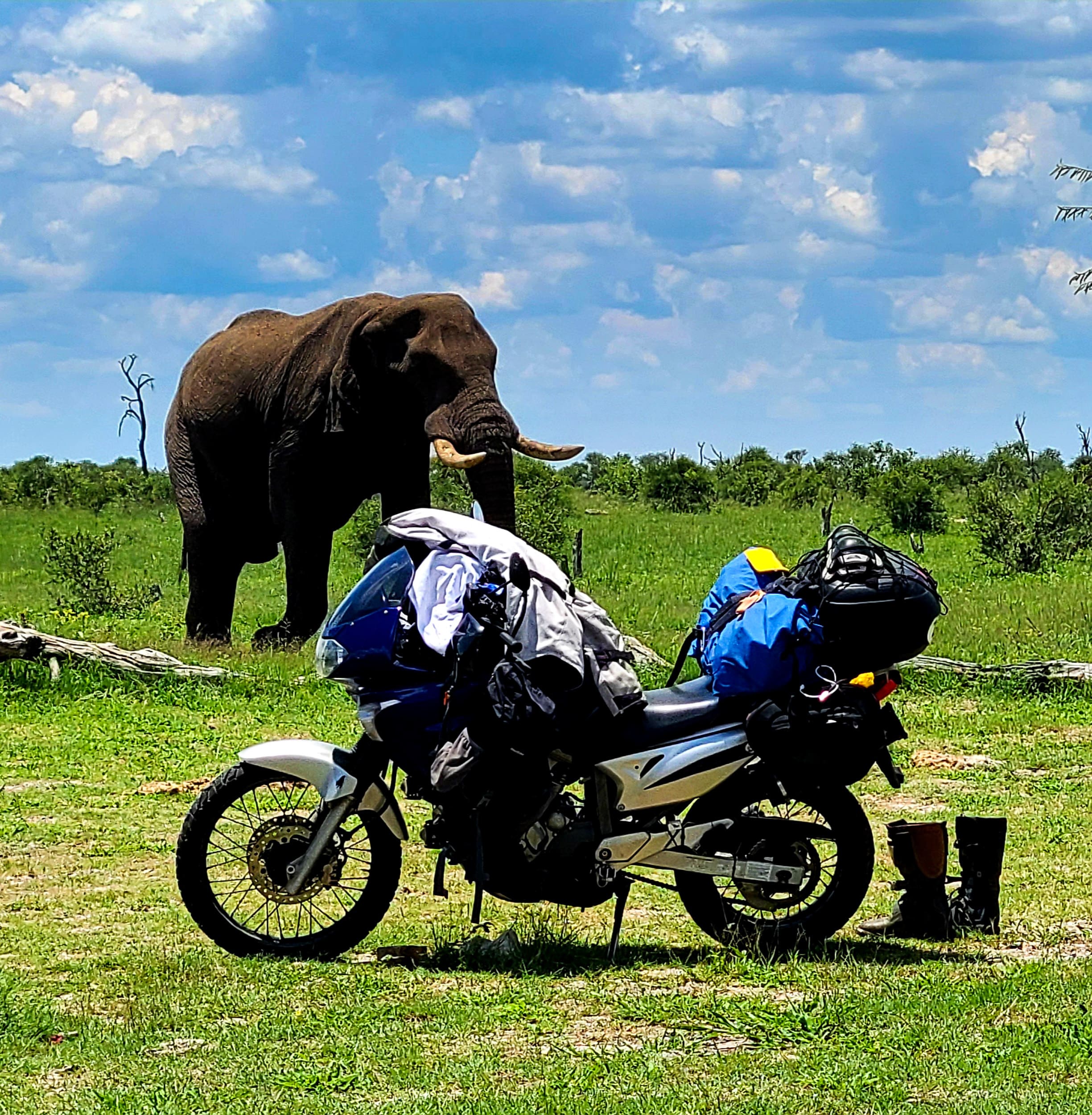
The current version was tested for 25,000km in Southern Africa. It worked flawlessly until overzealous car wash attendant directed high pressure nozzle directly at the control box. Lesson learned: use 100% water proof housing.
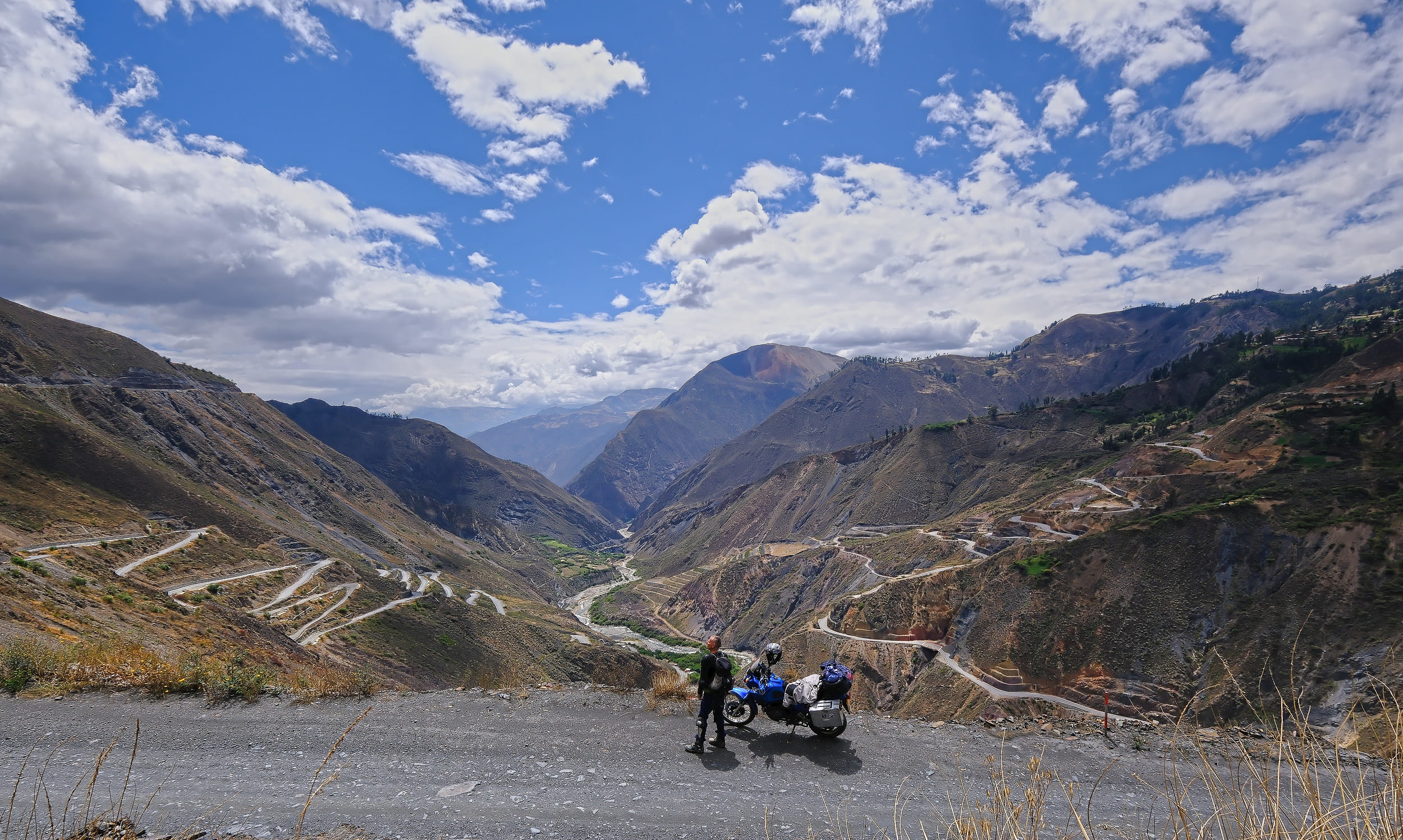
Testing re-built oiler in South Africa. After cleaning the dust that caused pump gears to seize, I used the same hardware from the South African trip. It worked flawlessly throughout the 32,000 km ride through South America.
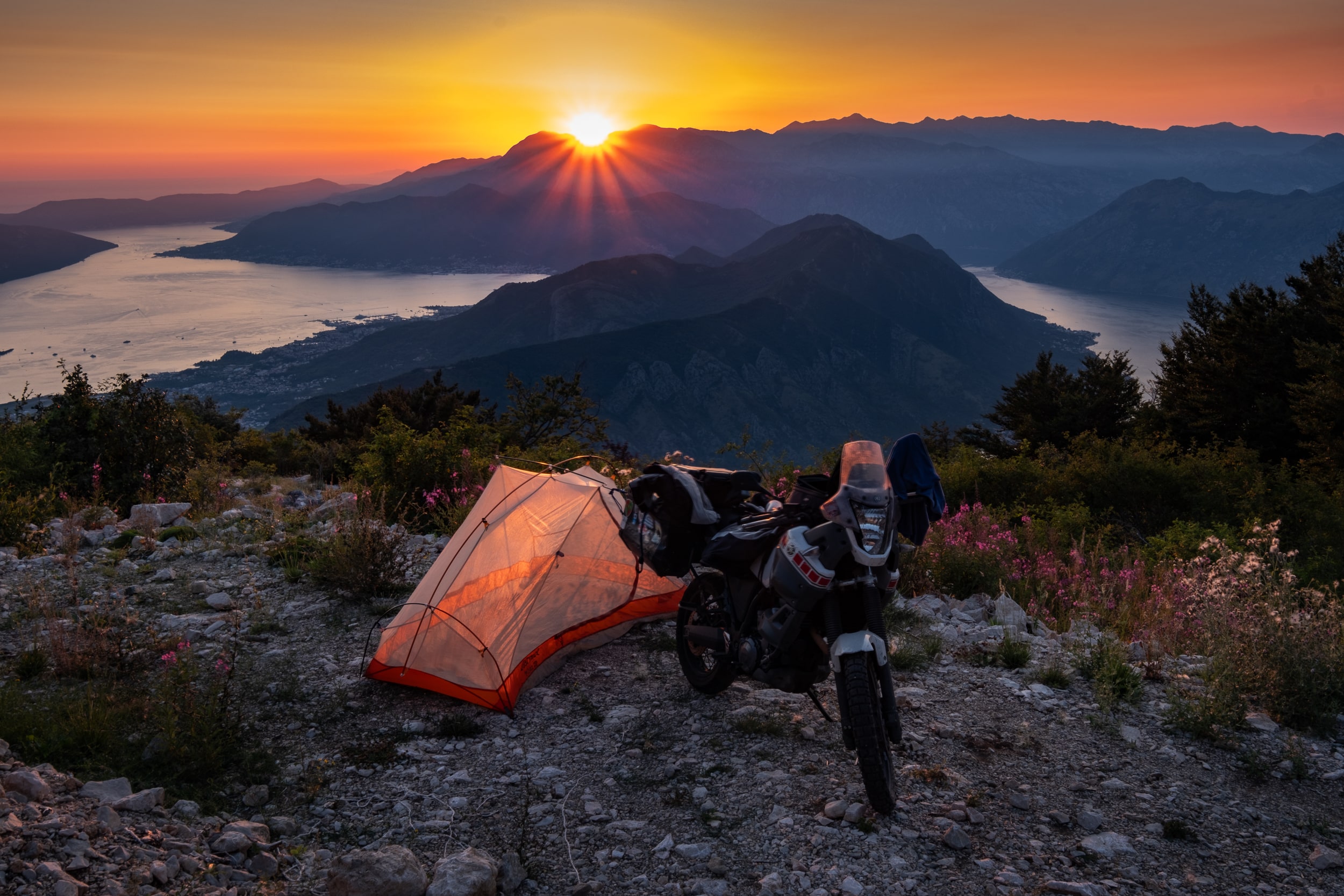
The last test of the current version of the oiler was a 10,000km ride through the Balkans.
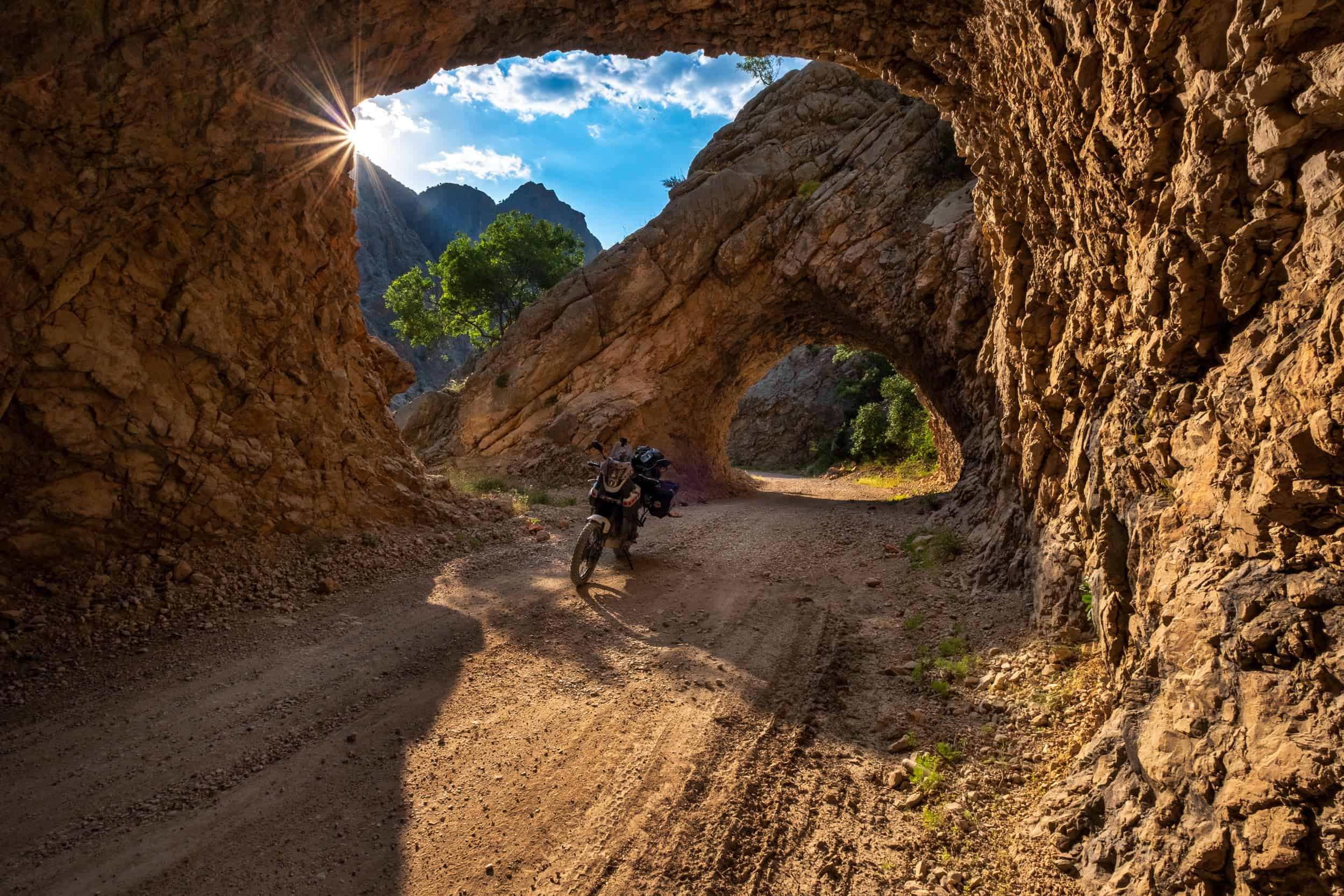
The same oiler used the following year on a 20,000km ride from Serbia to Mongolia.